

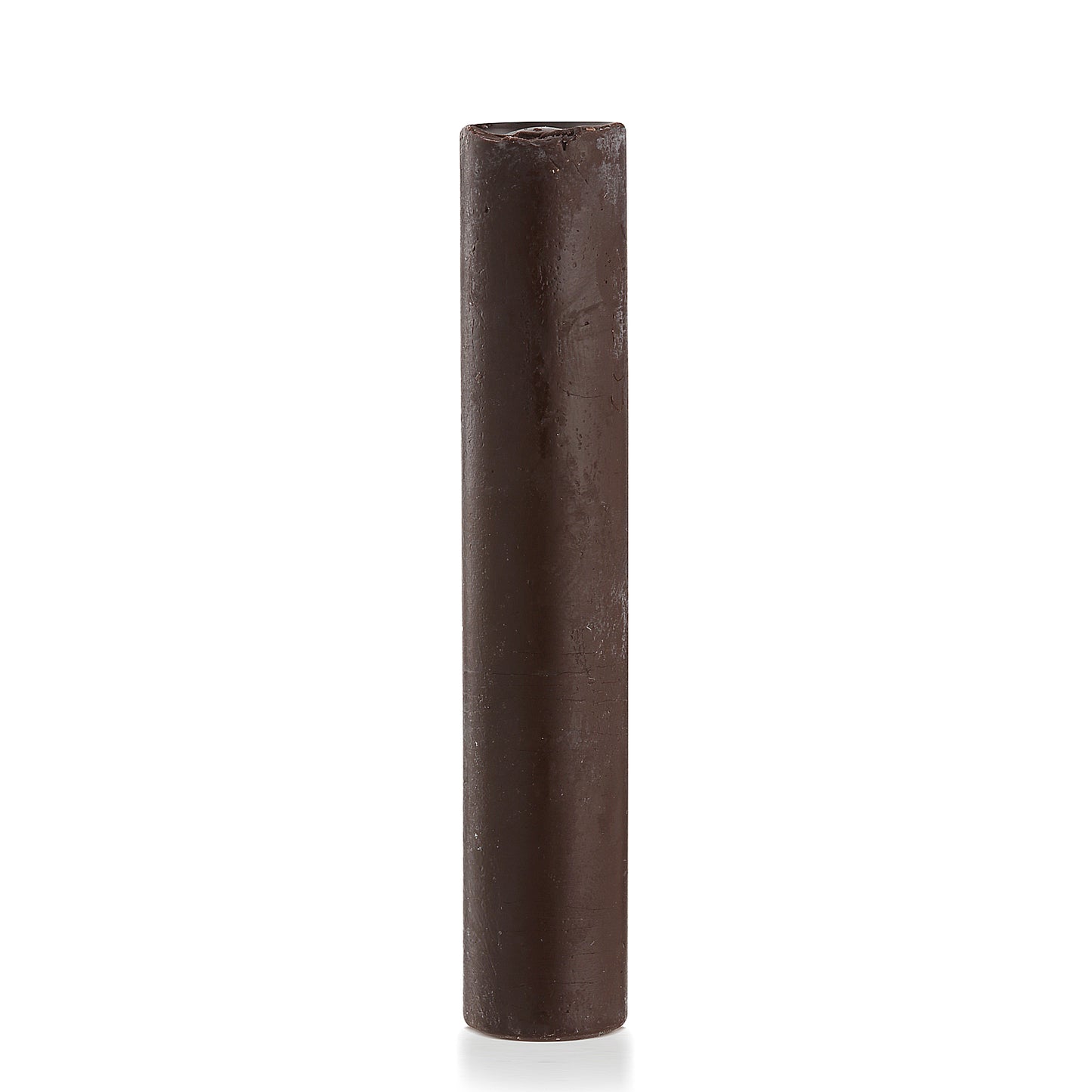
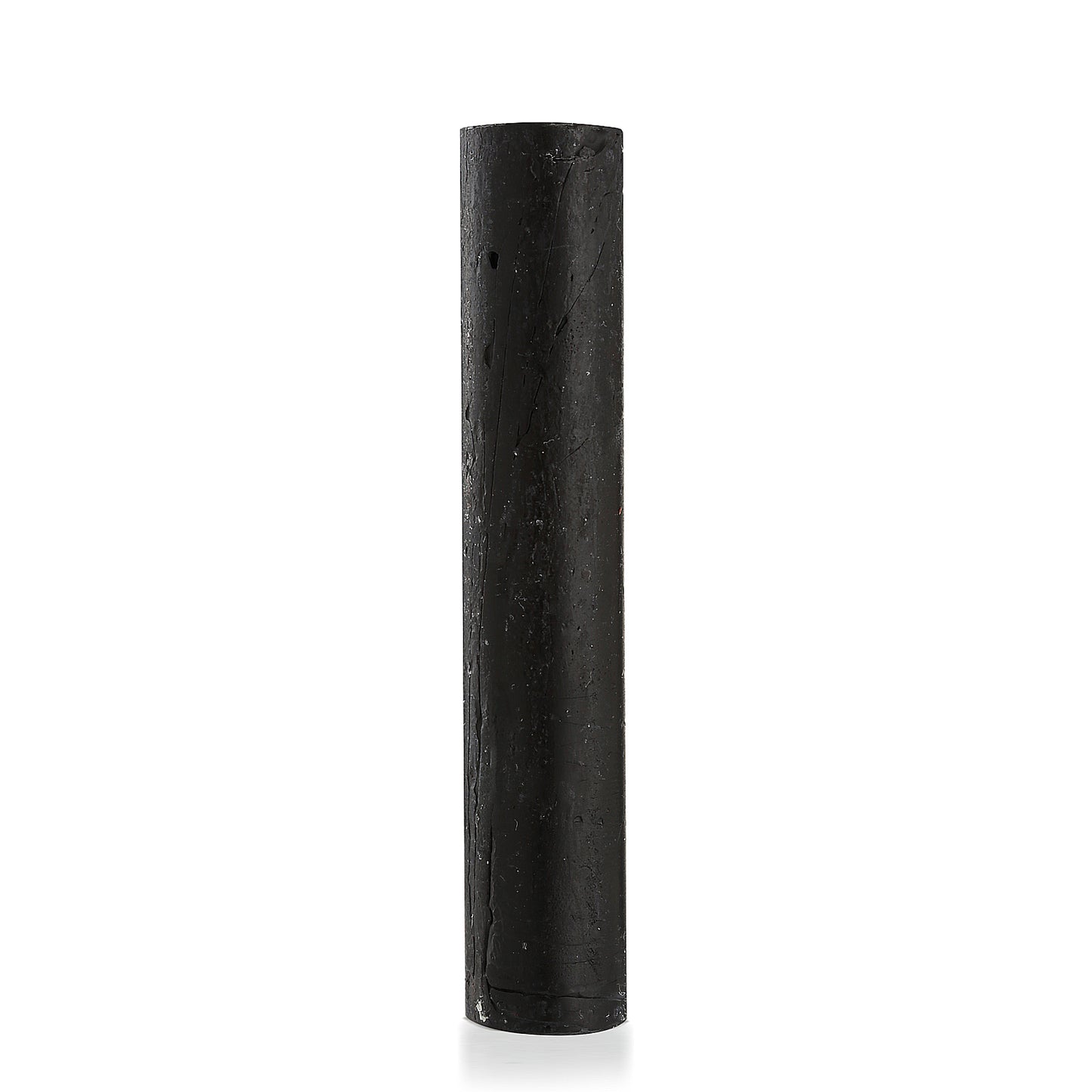
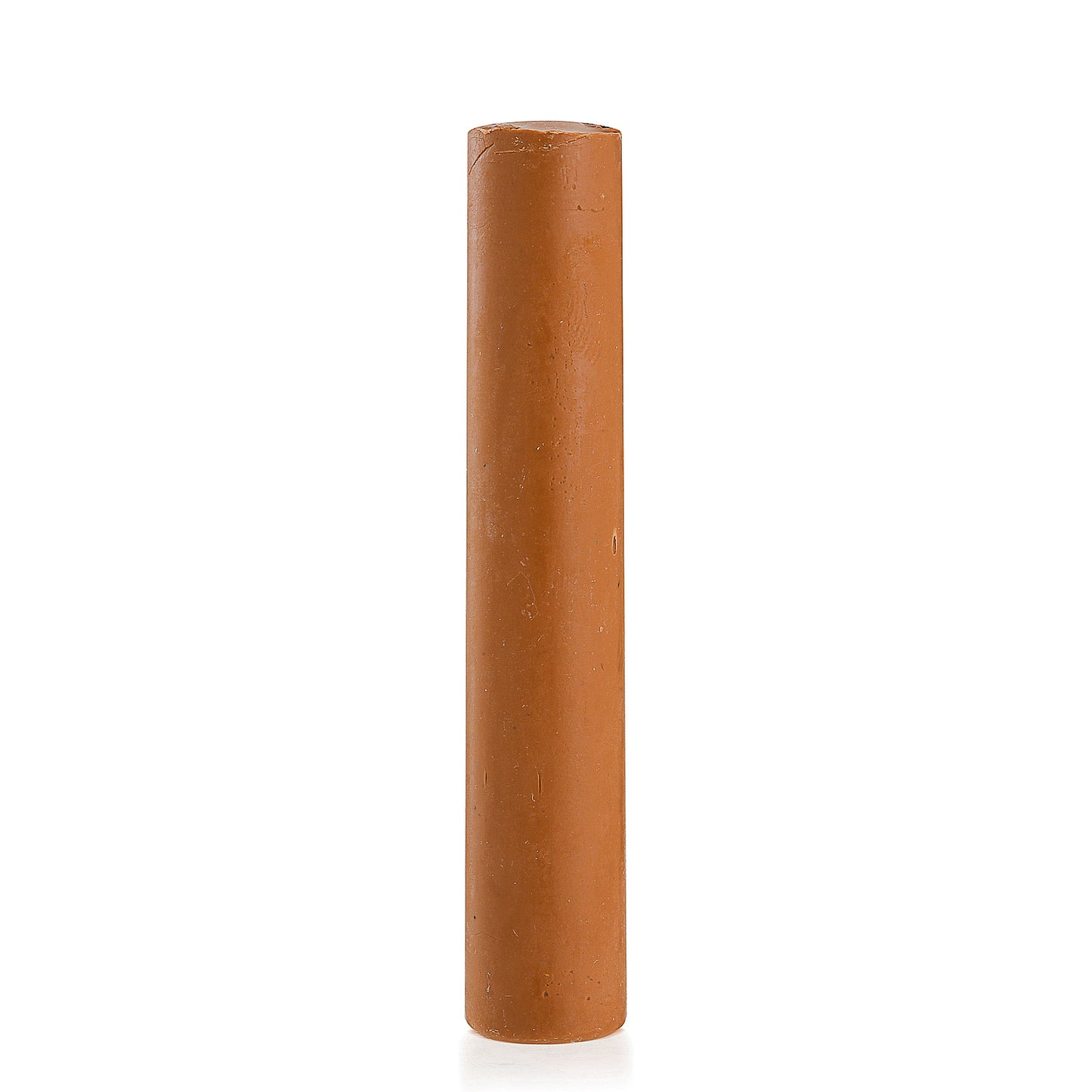
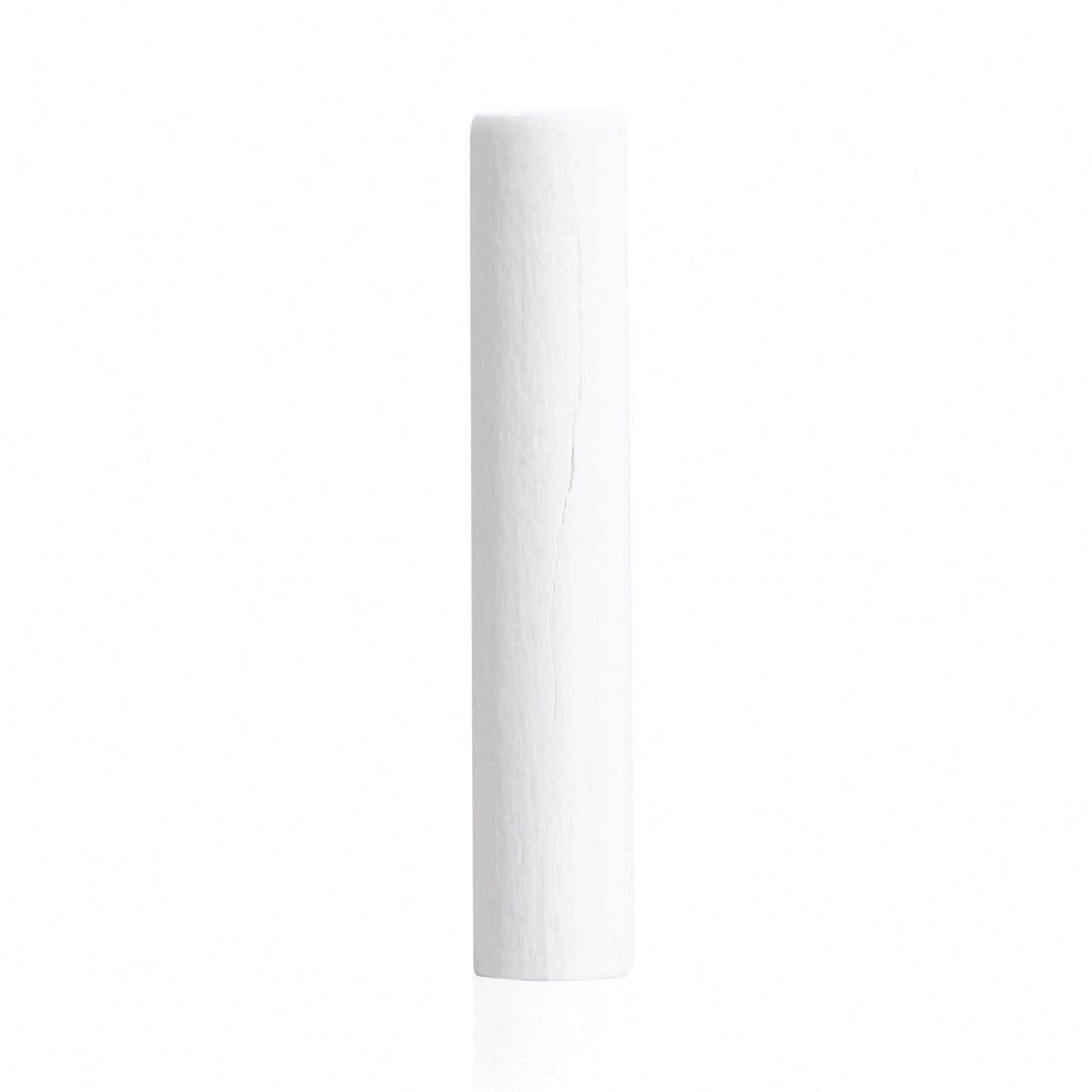
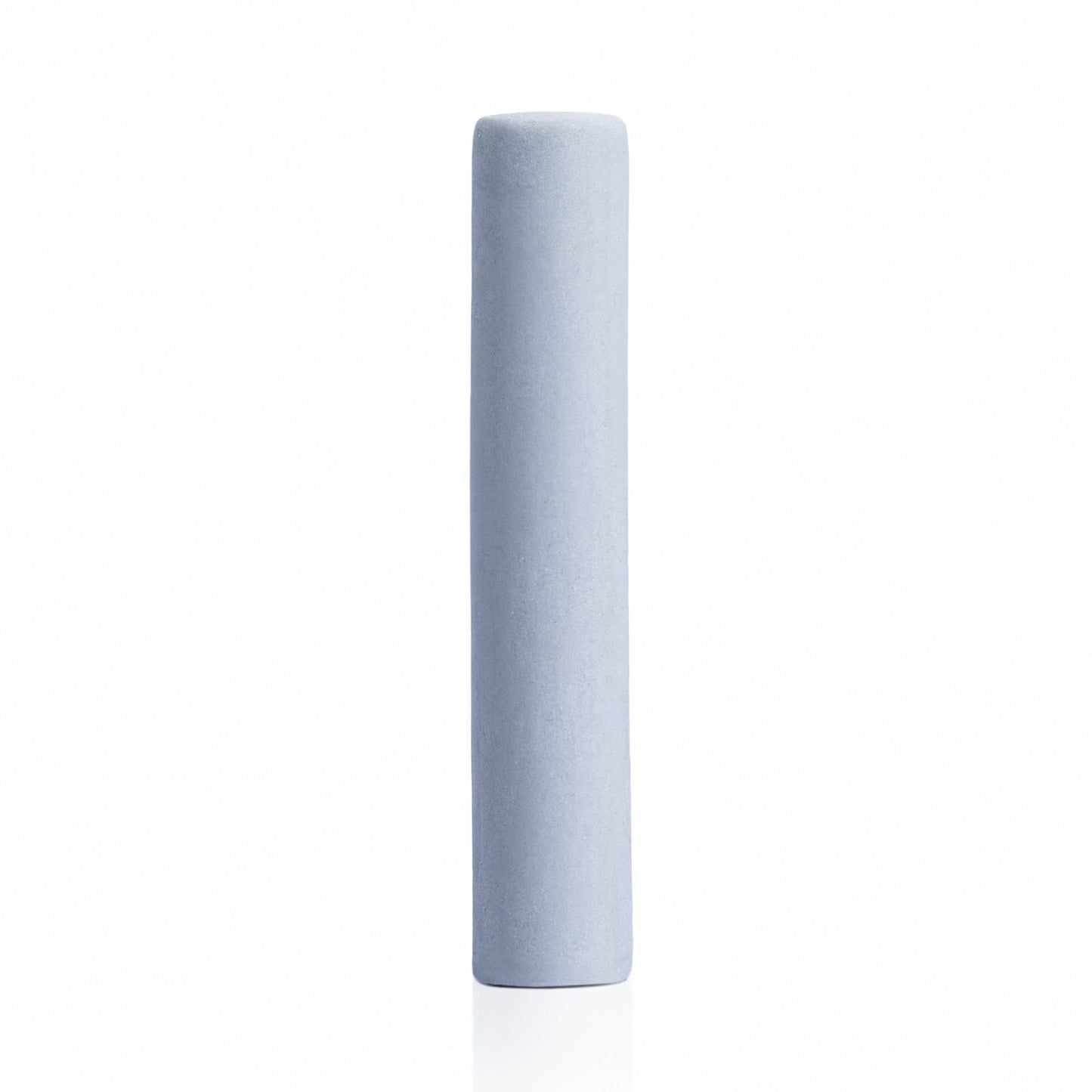
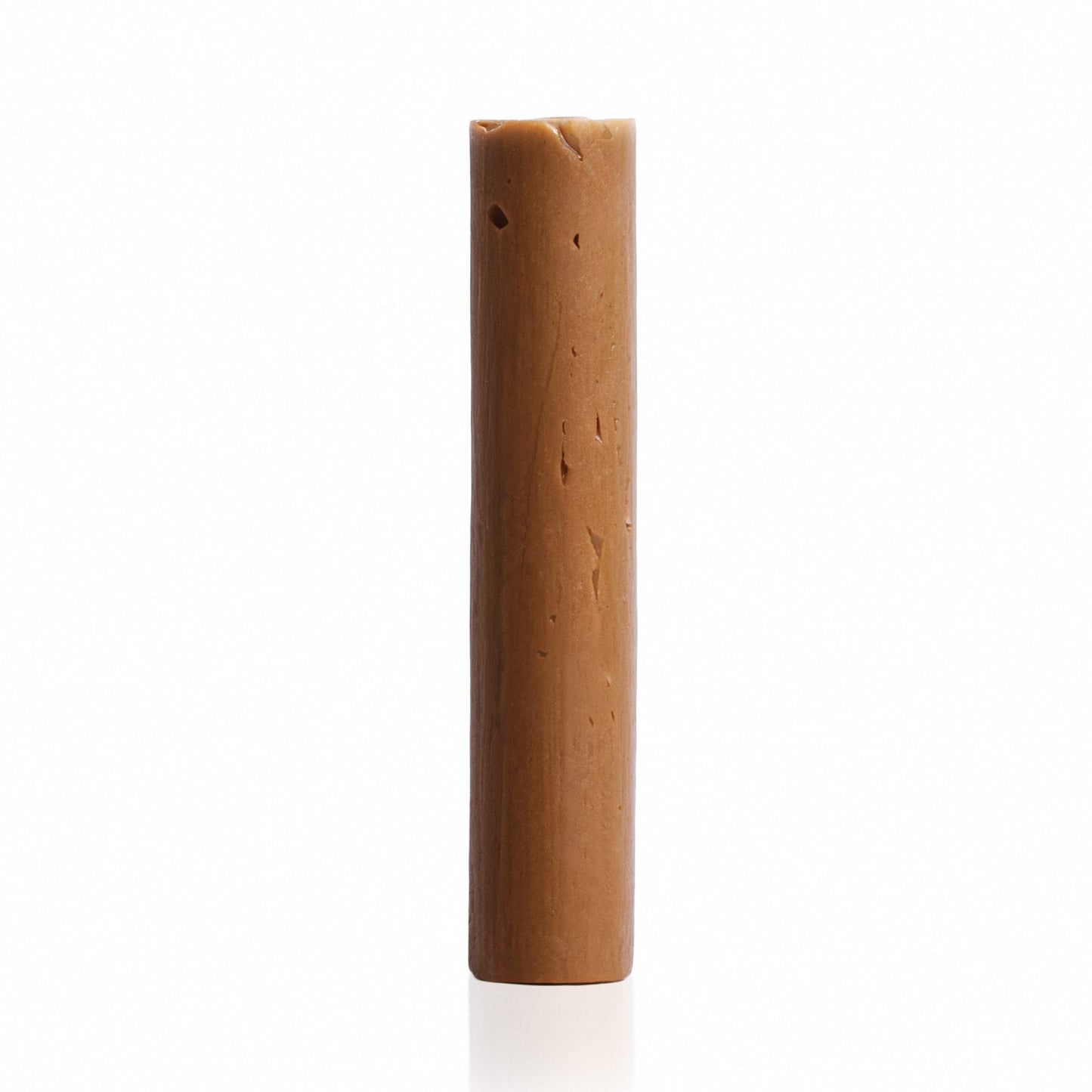
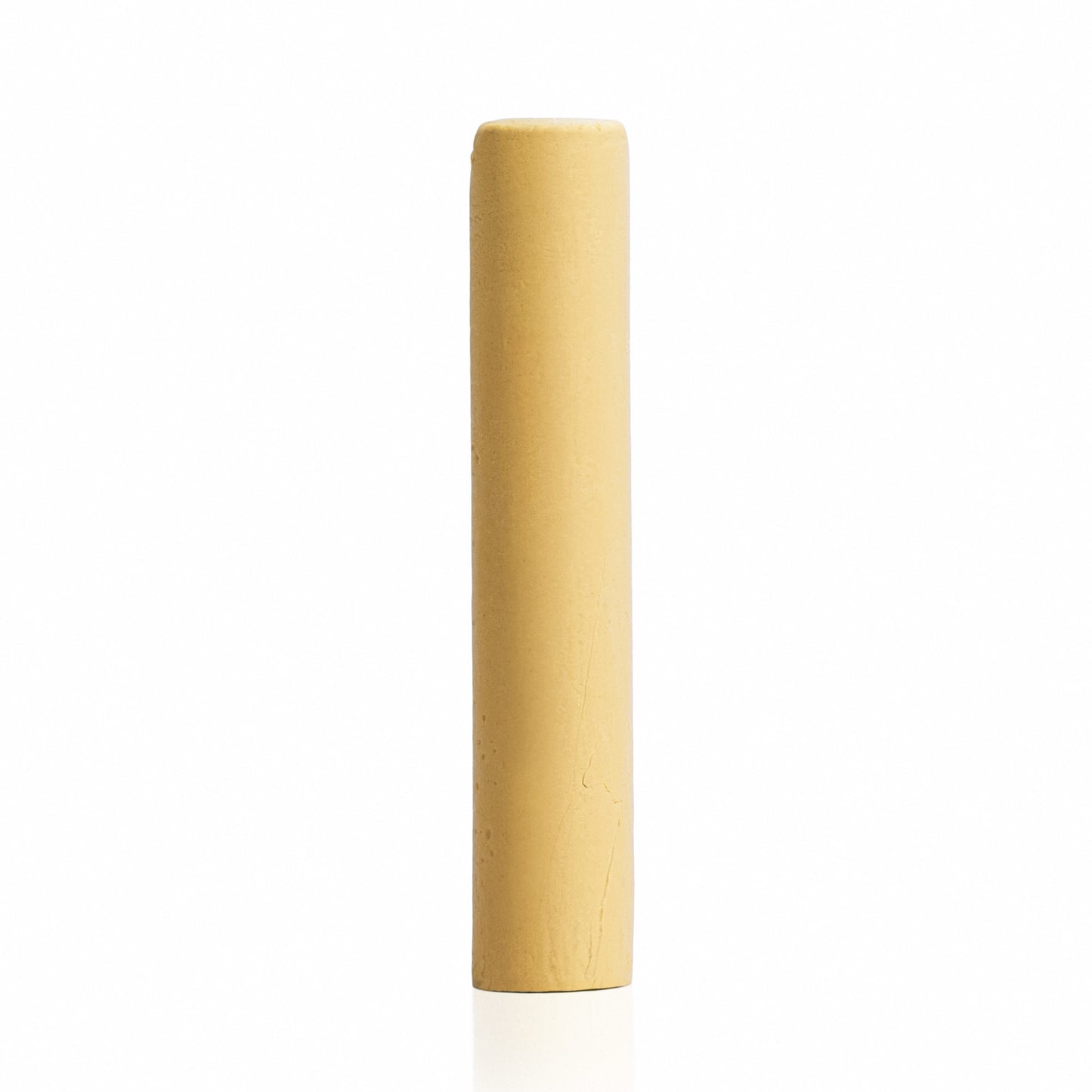


Beeswax Filler Sticks











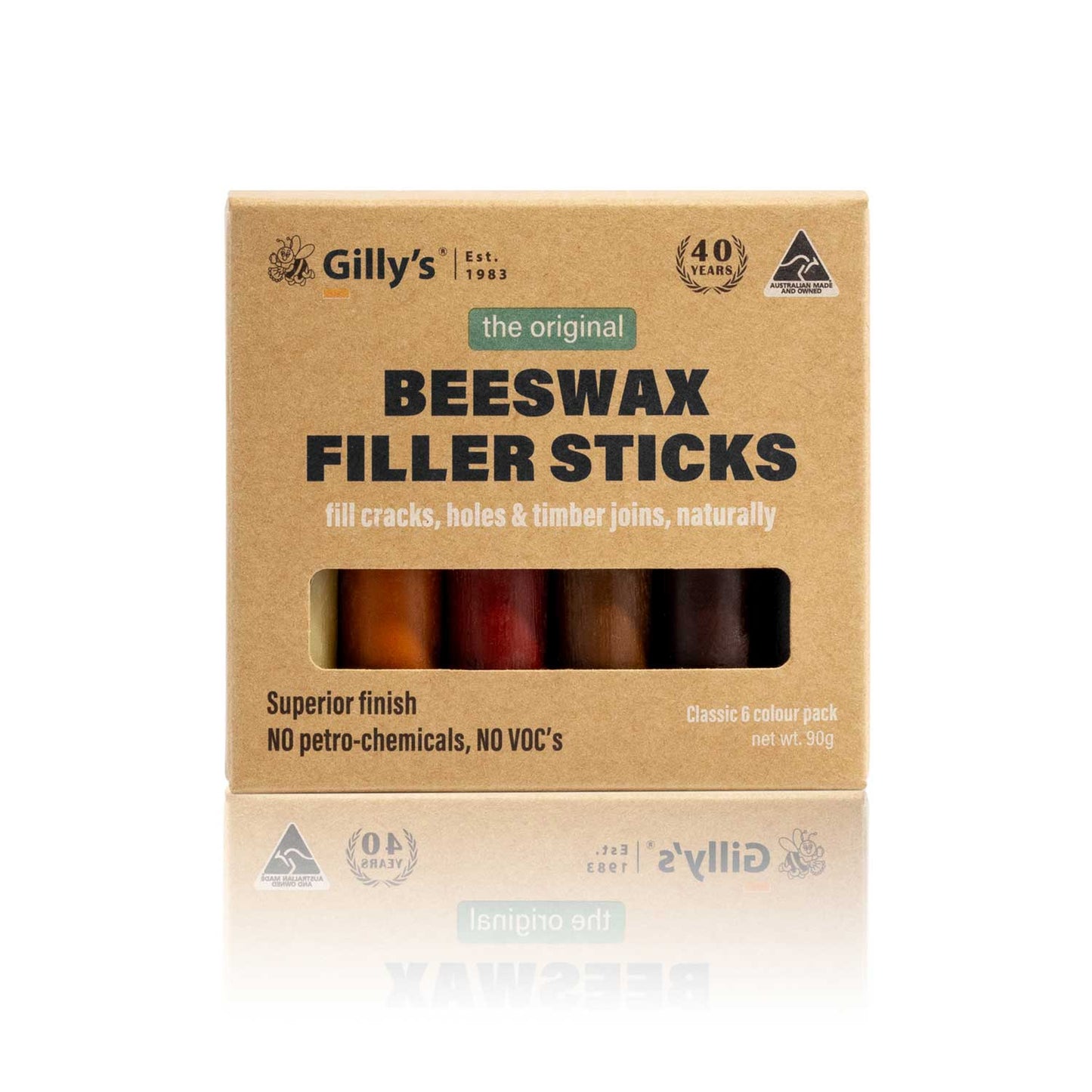
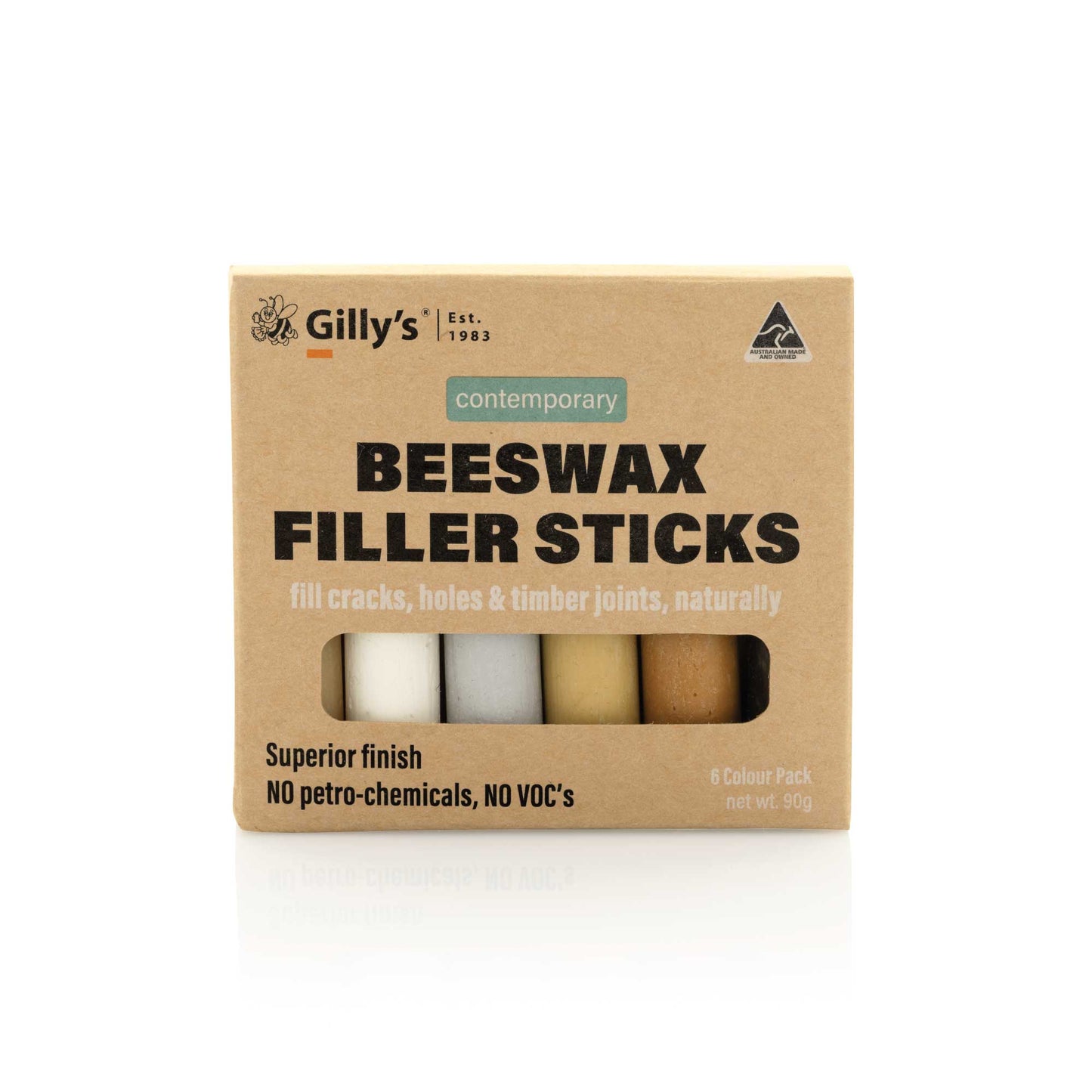
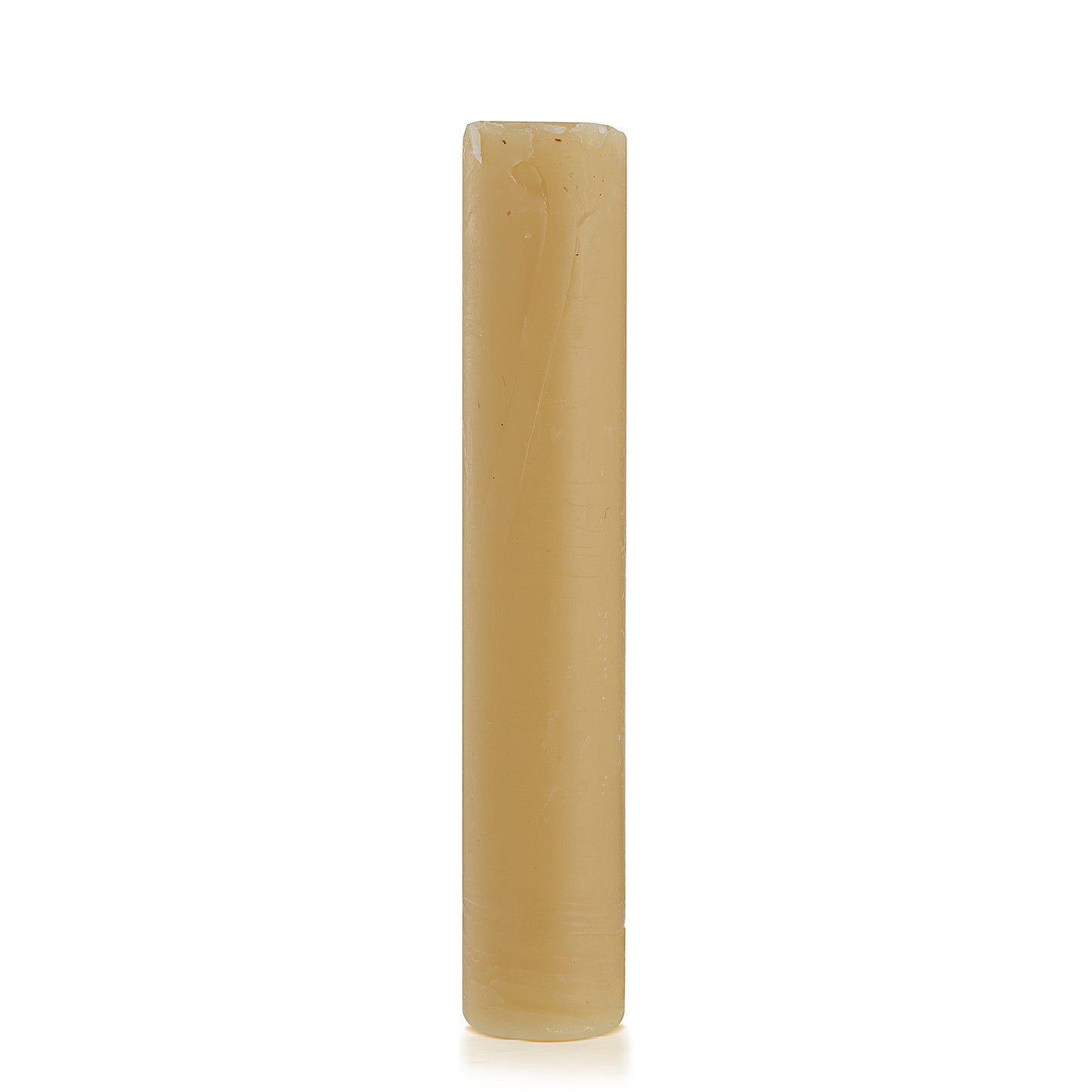
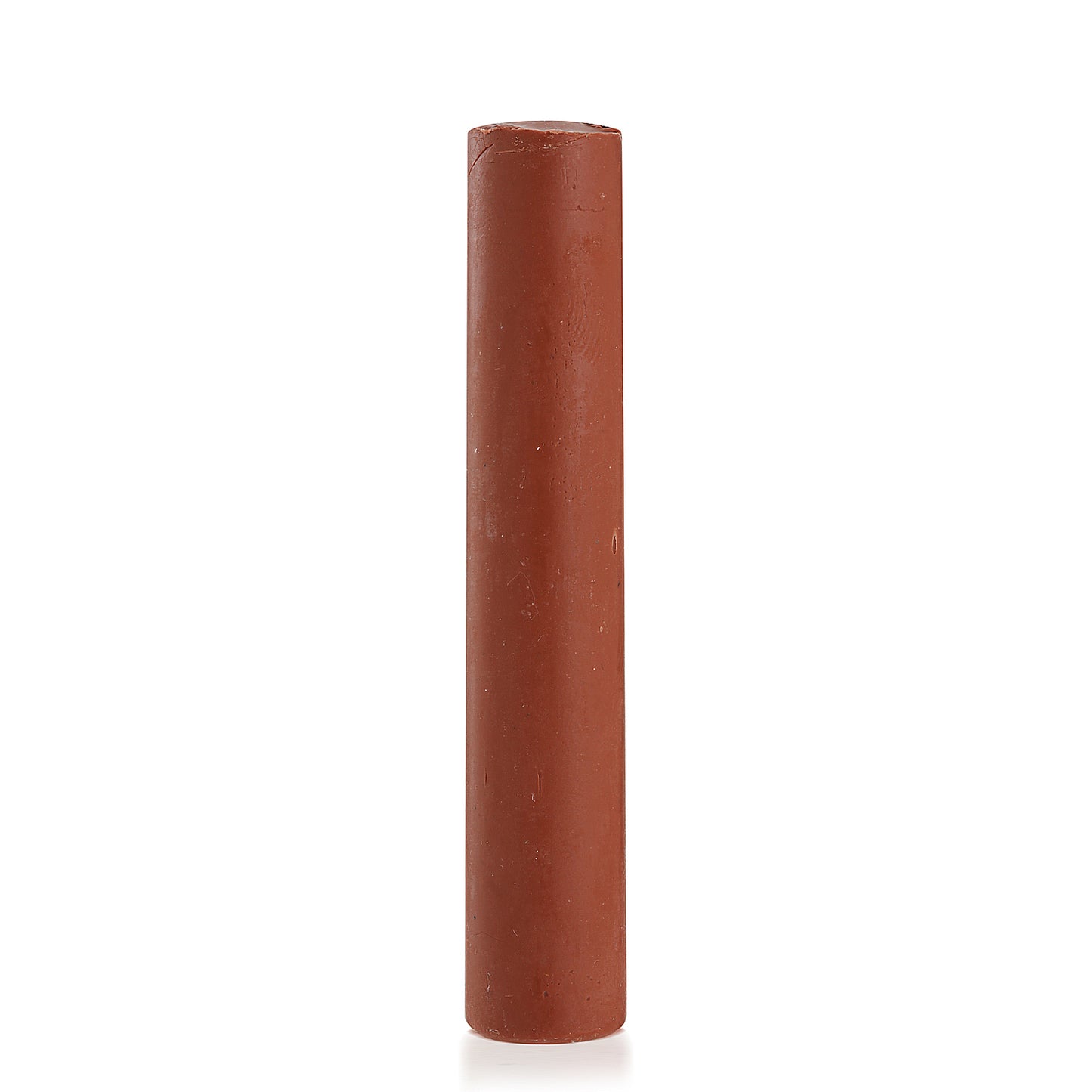
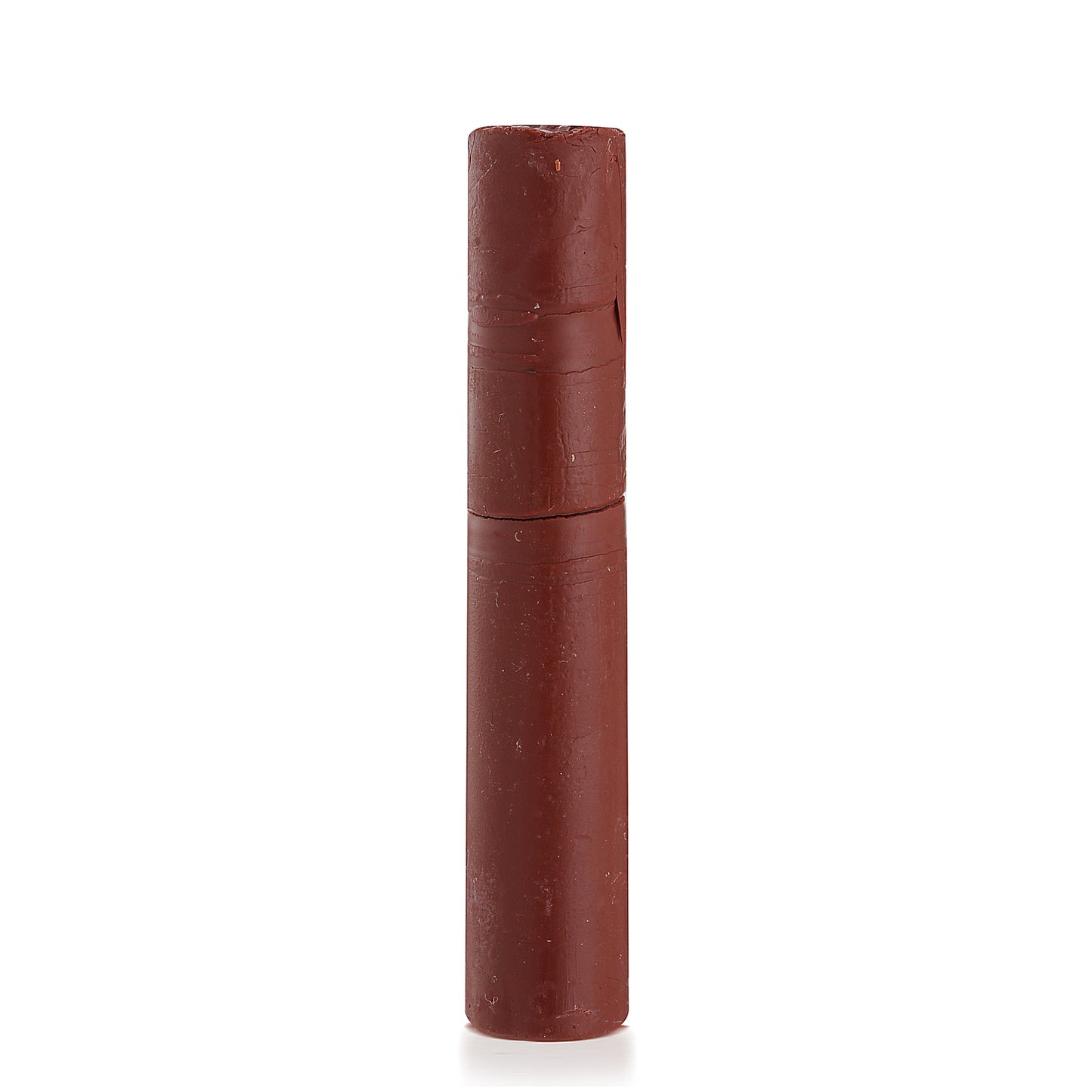
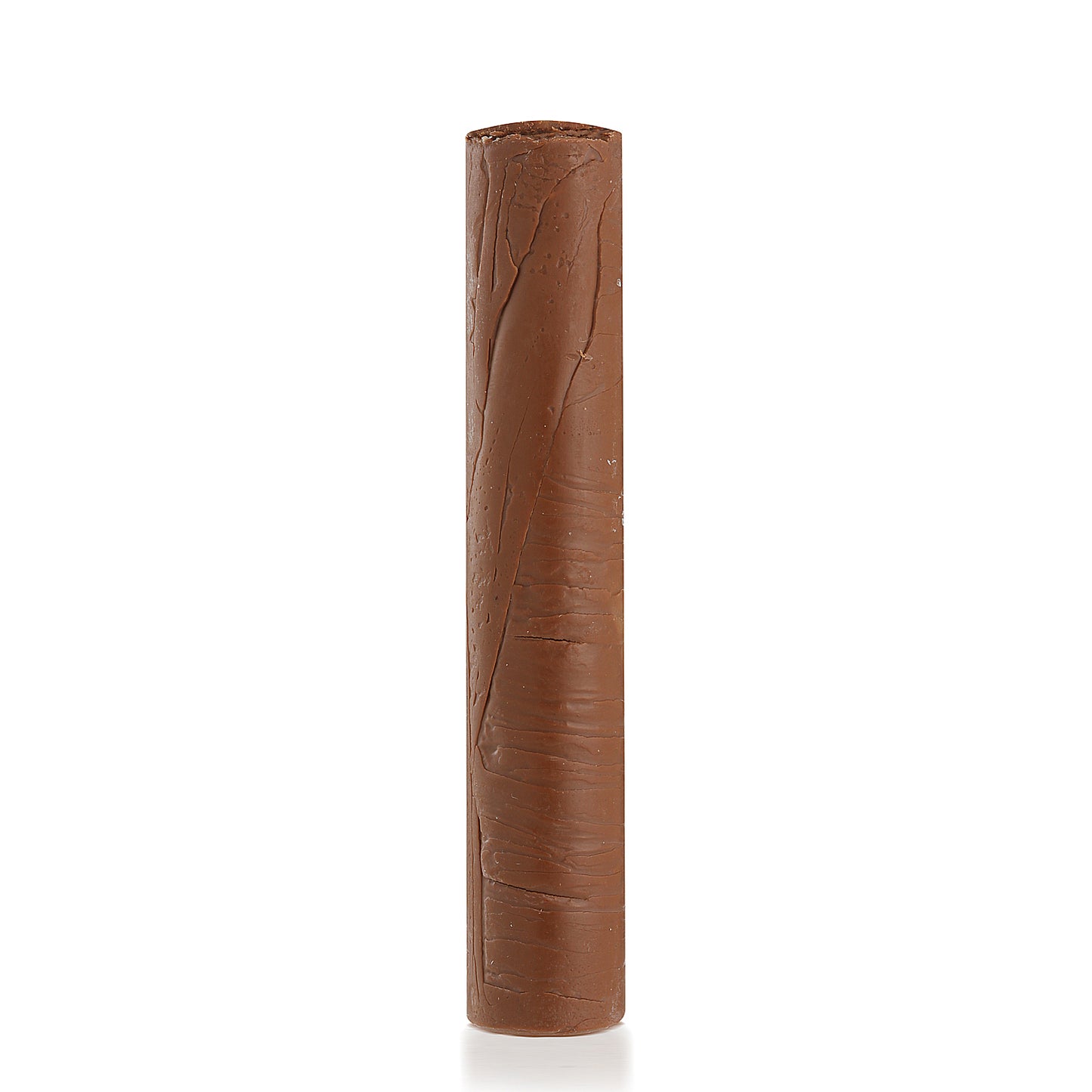
Gilly’s Beeswax Filler Sticks are naturally pigmented wax fillers designed to repair cracks, gaps, joins, and nail holes in timber surfaces. Made from pure beeswax and natural pigments, they provide a simple and effective way to restore timber while maintaining a natural finish.
The soft wax can be worked directly into the damaged area, where it fills imperfections and blends with the surrounding timber. Once cooled, the wax returns to its natural hardness and can be sanded, buffed, and coated with most finishes, allowing the repair to integrate seamlessly with the rest of the surface.
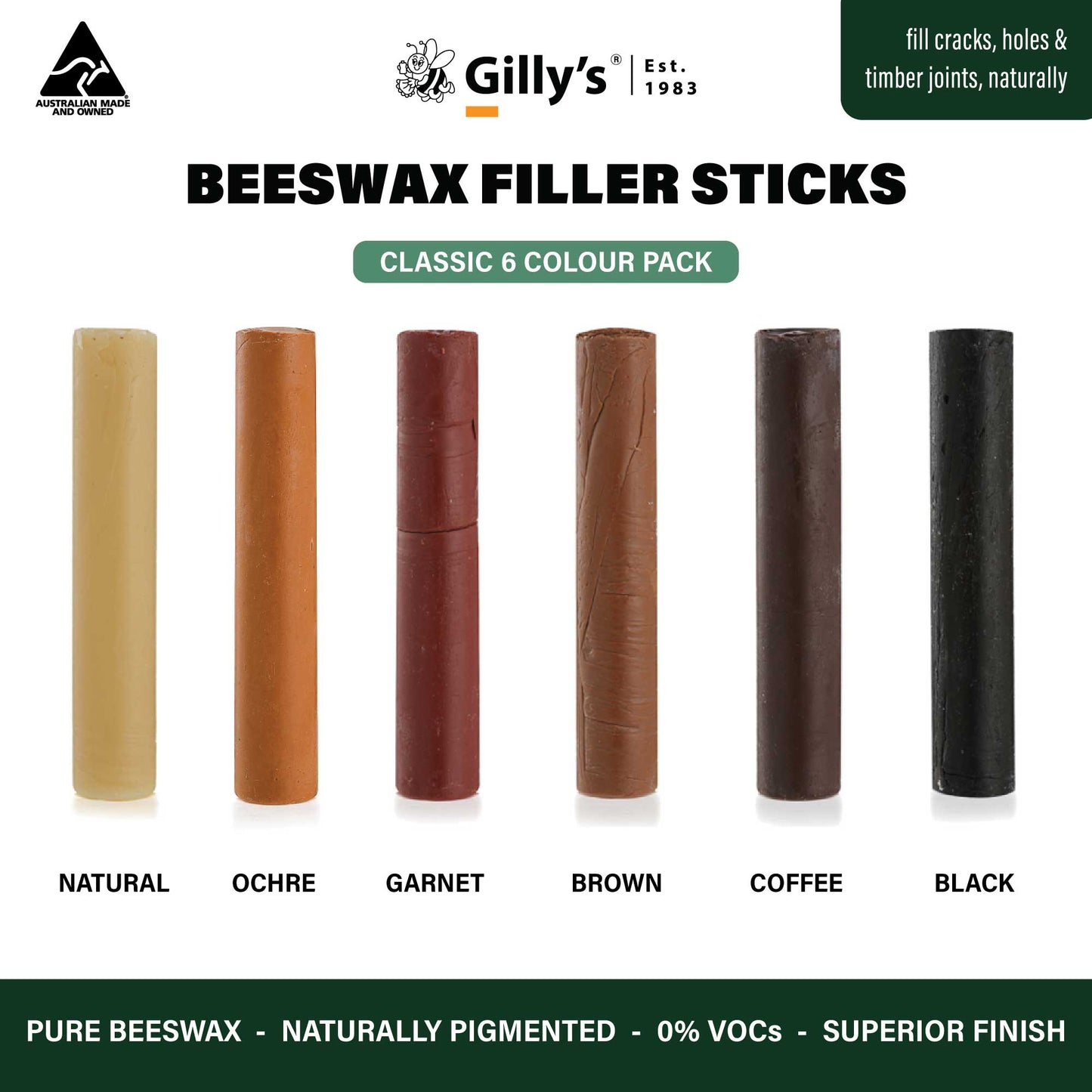
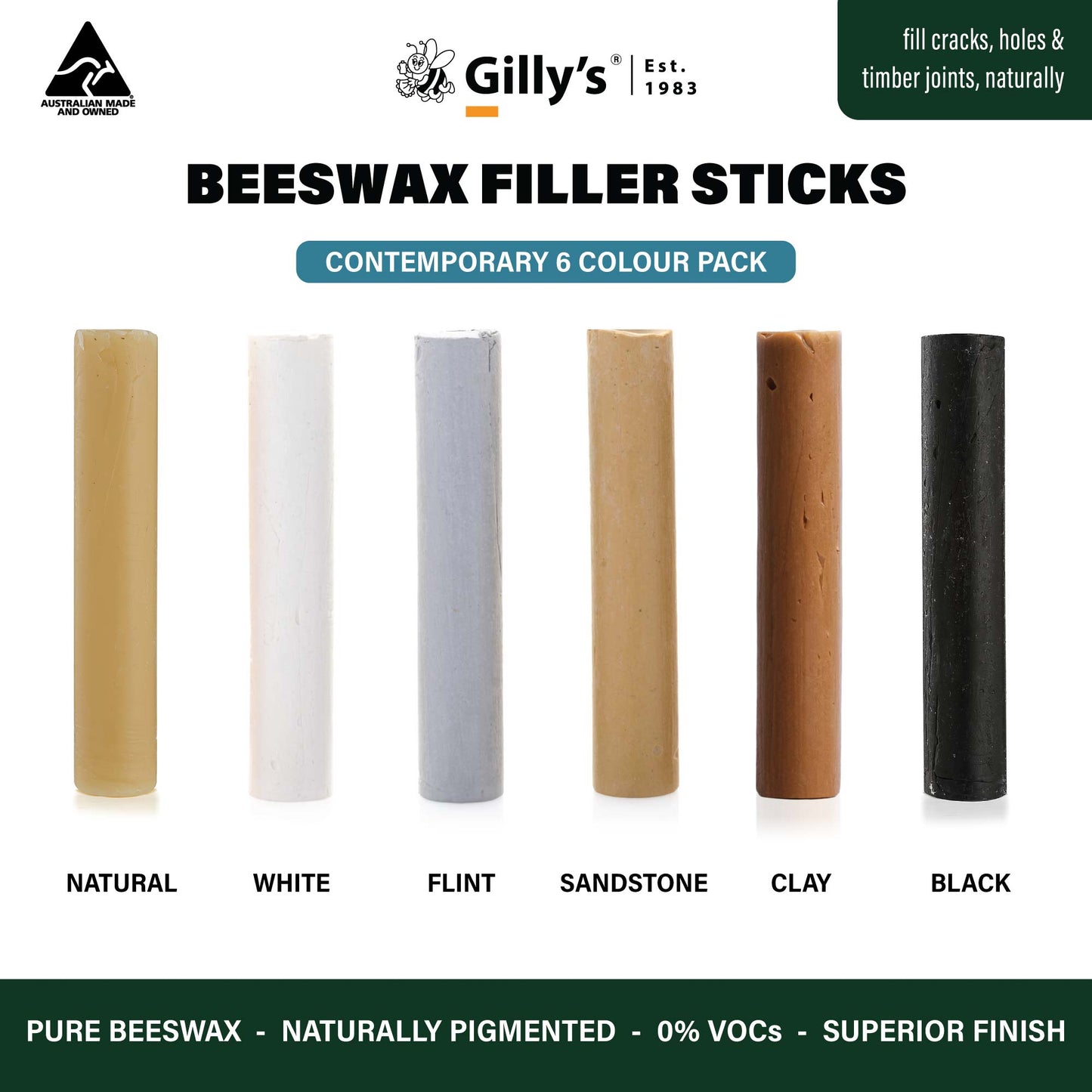
Available in a range of colours that can be blended together to match different timber tones, these filler sticks make it easy to achieve a discreet repair. Because the wax expands and contracts with the timber, it moves naturally with the wood rather than cracking or falling out over time.
Use For
- Timber furniture repairs
- Filling nail holes and small imperfections
- Cabinetry and joinery touch-ups
- Flooring repairs
- Woodturning and restoration projects
For repairing cracks and small holes in wood surfaces less than about 1mm deep Gilly's Cabinet Makers Wax can be used.
Occasionally, the filler sticks may develop a powdery residue on the outside. This usually occurs due to temperature fluctuations and disappears once they are melted. It does not diminish their effectiveness in any way.
Application
Below are several methods for applying the filler sticks, though feel free to get creative.
| Surface Preparation | Ensure the surface is clean, dry and moisture free before application. For bare timber, it’s generally recommended to sand to at least 120 grit for floors and 240 grit for furniture. |
| Method 1 | Apply by rubbing the filler stick firmly into the timber like a crayon (though a little harder). The friction helps to warm and dislodge the wax into the surface. |
| Method 2 |
The wax can be melted with a soldering iron on low temp or carefully over a candle. |
| Method 3 |
Heat a table knife with a lighter and scrape the wax stick, pushing the wax into the target areas. |
| Method 4 |
Chip off the quantity required and melt it into the gap using a heat gun or hair dryer. This needs to be done very carefully as the additional heat may affect the surrounding finish. |
Once applied to surface, scrape off excess immediately with a plastic scraper or credit card. Colours can be mixed if required. Any shavings can later be melted down and used again. In most scenarios, it works best to apply the sticks to the raw timber before applying a coating. This ensures good adhesion with the substrate. Most coatings can be applied over.
| Dry Time | Will dry off almost immediately and harden further over the following 30 minutes. |
| Clean Up | Warm, soapy water for hands, brushes and application cloths. Use Gilly’s LoThin for any vigorous cleanup of tools. |
| Maintenance | Once applied, the timber should be sealed. The wax should remain in place indefinitely and maintenance will be dependant on the coating used. Store product in a cool, dry place. |
| Safety | USE CAUTION when heating beeswax as it is flammable at 200° C. Don’t use open flames directly on the wax sticks. May contain traces of bee pollen & soy. Contact Gilly’s for SDS. |
| Ingredients | Pure beeswax, natural pigments, natural hardener. |
Gilly’s Beeswax Filler Sticks are naturally pigmented wax fillers designed to repair cracks, gaps, joins, and nail holes in timber surfaces. Made from pure beeswax and natural pigments, they provide a simple and effective way to restore timber while maintaining a natural finish.
The soft wax can be worked directly into the damaged area, where it fills imperfections and blends with the surrounding timber. Once cooled, the wax returns to its natural hardness and can be sanded, buffed, and coated with most finishes, allowing the repair to integrate seamlessly with the rest of the surface.
Available in a range of colours that can be blended together to match different timber tones, these filler sticks make it easy to achieve a discreet repair. Because the wax expands and contracts with the timber, it moves naturally with the wood rather than cracking or falling out over time.
Use For
- Timber furniture repairs
- Filling nail holes and small imperfections
- Cabinetry and joinery touch-ups
- Flooring repairs
- Woodturning and restoration projects
For repairing cracks and small holes in wood surfaces less than about 1mm deep Gilly's Cabinet Makers Wax can be used.
Occasionally, the filler sticks may develop a powdery residue on the outside. This usually occurs due to temperature fluctuations and disappears once they are melted. It does not diminish their effectiveness in any way.
Application
Below are several methods for applying the filler sticks, though feel free to get creative.
| Surface Preparation | Ensure the surface is clean, dry and moisture free before application. For bare timber, it’s generally recommended to sand to at least 120 grit for floors and 240 grit for furniture. |
| Method 1 | Apply by rubbing the filler stick firmly into the timber like a crayon (though a little harder). The friction helps to warm and dislodge the wax into the surface. |
| Method 2 |
The wax can be melted with a soldering iron on low temp or carefully over a candle. |
| Method 3 |
Heat a table knife with a lighter and scrape the wax stick, pushing the wax into the target areas. |
| Method 4 |
Chip off the quantity required and melt it into the gap using a heat gun or hair dryer. This needs to be done very carefully as the additional heat may affect the surrounding finish. |
Once applied to surface, scrape off excess immediately with a plastic scraper or credit card. Colours can be mixed if required. Any shavings can later be melted down and used again. In most scenarios, it works best to apply the sticks to the raw timber before applying a coating. This ensures good adhesion with the substrate. Most coatings can be applied over.
| Dry Time | Will dry off almost immediately and harden further over the following 30 minutes. |
| Clean Up | Warm, soapy water for hands, brushes and application cloths. Use Gilly’s LoThin for any vigorous cleanup of tools. |
| Maintenance | Once applied, the timber should be sealed. The wax should remain in place indefinitely and maintenance will be dependant on the coating used. Store product in a cool, dry place. |
| Safety | USE CAUTION when heating beeswax as it is flammable at 200° C. Don’t use open flames directly on the wax sticks. May contain traces of bee pollen & soy. Contact Gilly’s for SDS. |
| Ingredients | Pure beeswax, natural pigments, natural hardener. |
Join 100,000+ Happy Households
trusted in family homes, schools and workshops all over